Complete your Tanzania experience.
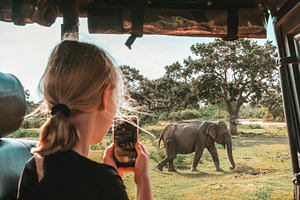
While Mount Kilimanjaro draws most of our clients to Tanzania, many also take the opportunity to go on an authentic African safari. Tanzania is consistently rated as the best safari destination on Earth. Therefore, it would be a shame to come all this way and miss out on the wildlife viewing opportunities.
We make adding a safari easy.
WHY safari WITH ULTIMATE KILIMANJARO®?
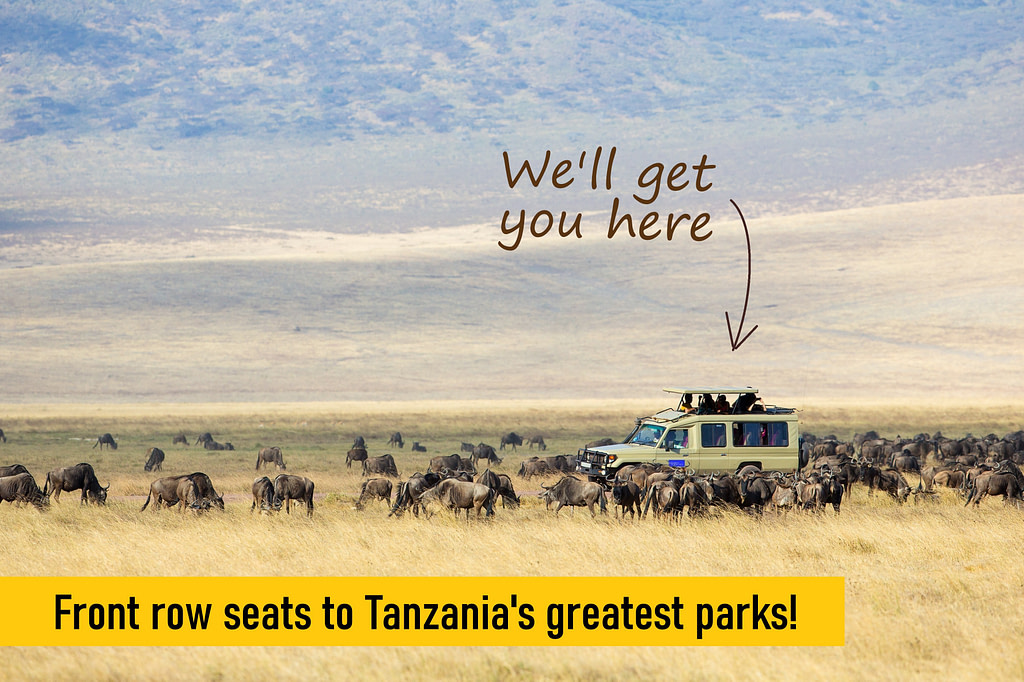
Don’t let our name fool you – Ultimate Kilimanjaro® is one of Tanzania’s most active safari operators. Safaris have been a core part of our company for over two decades, supported by extensive experience across Tanzania’s parks.
Ultimate Kilimanjaro® applies deep regional experience and professional guiding standards to every safari, maximizing wildlife encounters while maintaining comfort and reliability.
EXPERT GUIDES
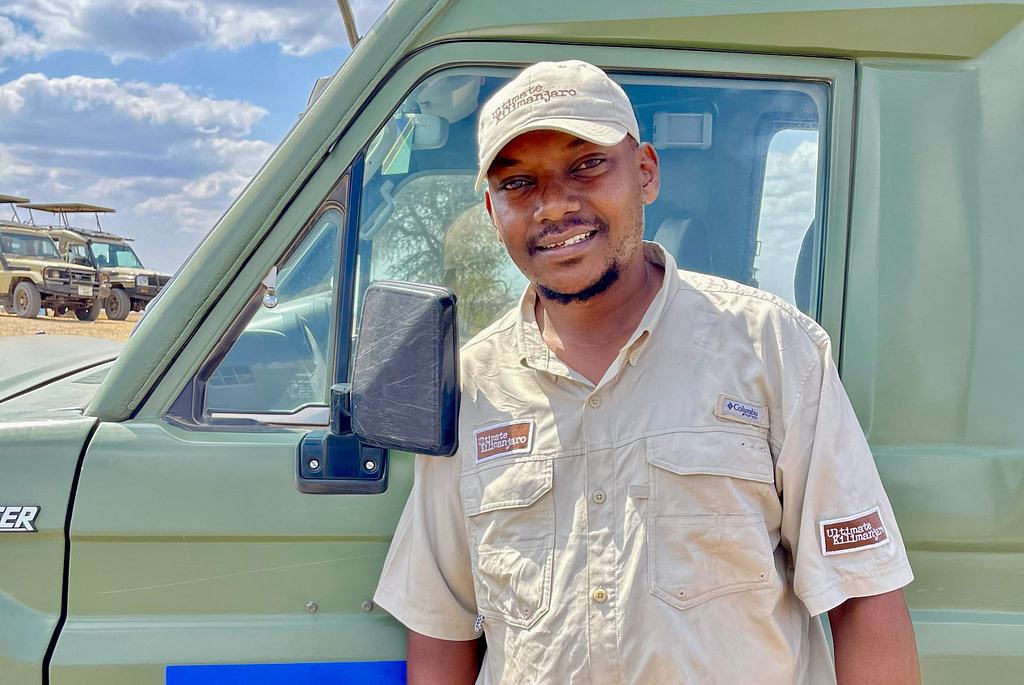
- Licensed professional safari guides
- Extensive experience in Tanzania’s parks
- Deep knowledge of animal behavior
- Skilled in spotting and tracking wildlife
- Safe and disciplined driving standards
PURPOSE-BUILT VEHICLES
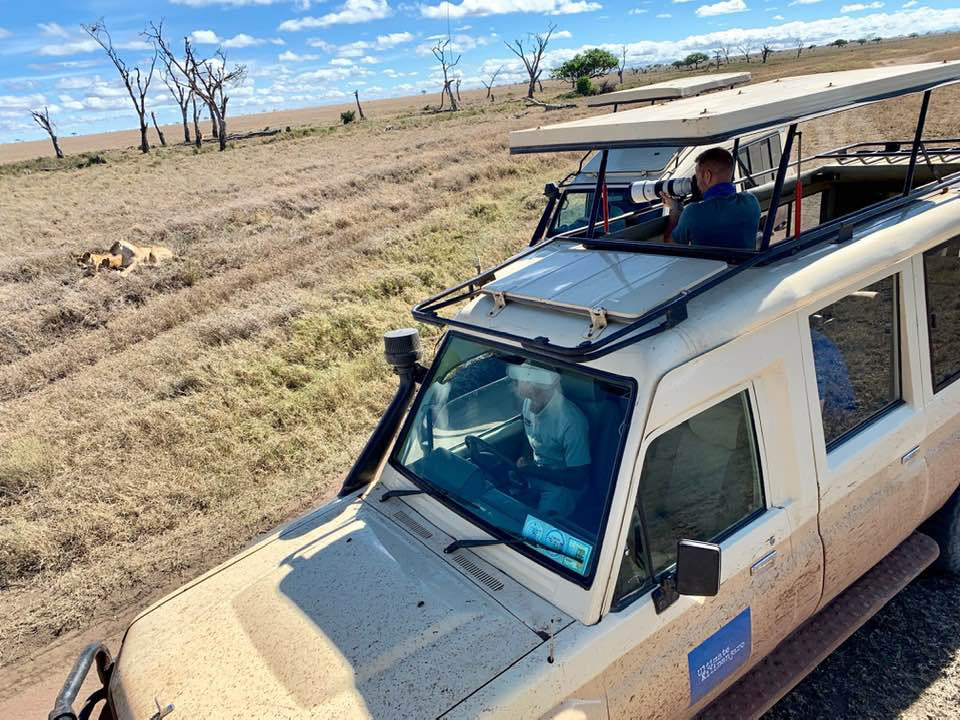
- Rugged 4WD Toyota Land Cruisers
- Custom pop-up roofs for optimal viewing
- Maintained for reliability in the field
- Comfortable seating for extended drives
- Suited for Tanzania’s demanding terrain
TANZANIA’S WILDLIFE
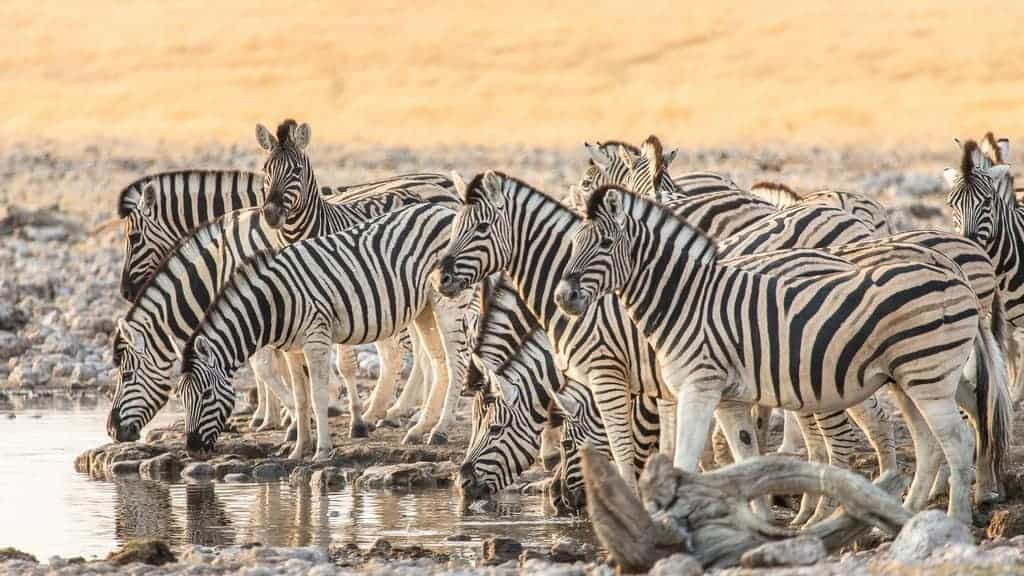
- Home to the Big Five game animals
- More than four million wild animals
- Over 430 species across Tanzania
- One of Africa’s highest predator densities
- No two game drives are alike
WORLD CLASS SAFARI PARKS
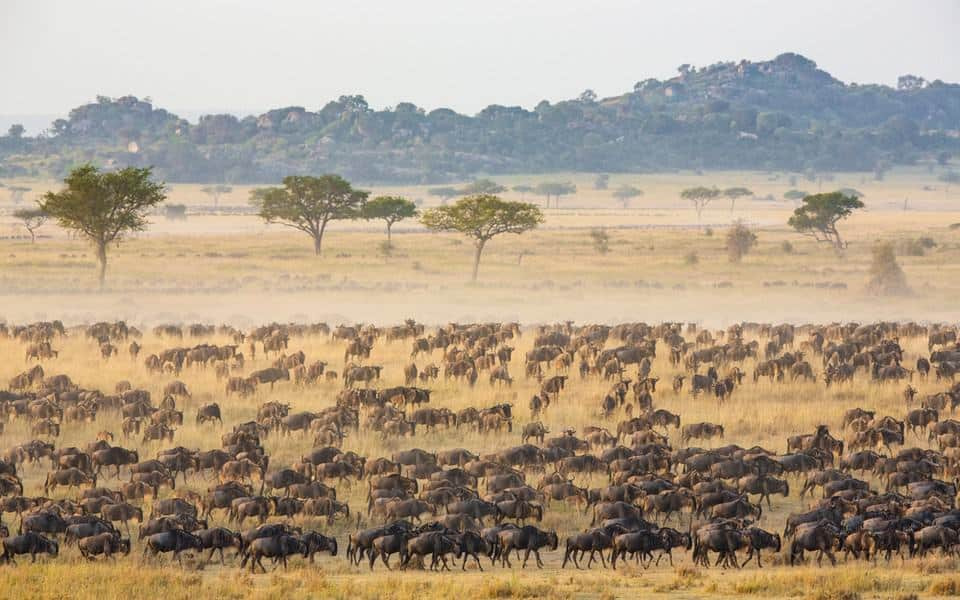
- Serengeti National Park
- Ngorongoro Crater
- Tarangire National Park
- Lake Manyara National Park
- And beyond
UNIQUE ACCOMMODATIONS
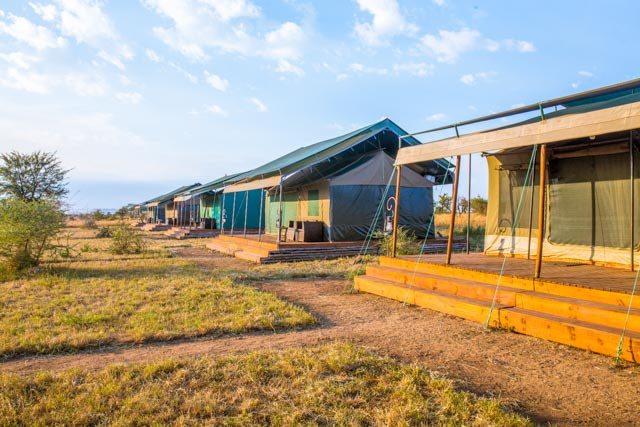
- Comfortable lodges and tented camps
- Well-located for efficient park access
- Private bathrooms with hot showers
- Restful atmosphere between game drives
- Luxury upgrades available
FREE GUIDE BOOK
Our free guidebook is an introduction to Tanzanian safaris. Download it now to see what to expect when you tour with Ultimate Kilimanjaro®.
OUR FAVORITE SAFARI PARKS
Tanzania has more protected areas than any other African country. More than 25% of its land is comprised of national parks, game reserves and conservation areas. These places are must see destinations for every safari goer.
We offer private safaris with one to seven day itineraries. Whether you have a short stay or extended vacation, Ultimate Kilimanjaro® has an itinerary that suits your desires.
WHAT’S IT LIKE ON A safari?

Time behaves differently on safari. Days revolve around wildlife viewing and deliberate movement through Tanzania’s landscapes. There is no rush and no physical strain. Guests spend most of their time in the vehicle, watching animals and daily life unfold across the plains. The experience is calm, mentally engaging, with bouts of pure excitement. Every drive carries the possibility of something unexpected.
Travel between parks becomes part of the visual experience. These drives pass through changing scenery, rural villages, and remote wilderness areas. Hot lunches are typically taken on the road, often at designated picnic sites within the parks. Evenings transition to the lodges or permanent tented camps, where guests enjoy well-prepared dinners, hot showers, and a comfortable place to rest before the next day’s activities.
safari FAQS
1. When is the best time to go on safari?
Northern Tanzania delivers strong wildlife viewing year-round. Peak safari months align closely with the most popular Kilimanjaro climbing seasons. Dry periods often improve sightlines and concentrate animals near dependable water sources. Wet periods enhance scenery and reduce dust. Migration cycles drive Serengeti movement and predator dynamics throughout the year. There is no universally poor safari season. read more>>
2. How many days is a safari?
We offer itineraries ranging from 1 to 7 days. More time allows for deeper exploration and more varied sightings. Short safaris work well for tight schedules. Longer programs create a more relaxed pace. A 5 day safari is highly recommended. read more>>
3. What is the cost of a safari?
Pricing depends on the trip duration, group size, and level of accommodations. Per person costs decrease as group size and trip length increase. All safaris are private; we do not offer group safaris. This structure preserves flexibility, comfort, and viewing control. read more>>
4. Which parks are included in the safari?
Our safaris operate in northern Tanzania’s premier wildlife areas. 5 day safaris include Serengeti, Ngorongoro Crater, Tarangire, and Lake Manyara, with a stop at Olduvai Gorge. Shorter programs visit fewer destinations. Longer programs add days in the Serengeti. read more>>
5. What are game drives like?
Game drives are slow, observational, and dynamic. The guide navigates through wildlife areas in search of animal activity while guests are seated in the vehicle. Encounters may be brief or unfold over extended periods. Patience and positioning is key. No two drives are identical. Game drives can last from a couple of hours to the whole day. The roads inside the parks are unpaved, as are many of the roads between the parks. read more>>
6. Will we see the Big Five and many other animals?
Tanzania supports one of the largest concentrations of large mammals on Earth. The Big Five (lions, leopards, elephants, buffalo, rhino) can all be found here. Sightings of specific animals cannot be guaranteed, but the odds improve with longer itineraries. The high density and variety of animal life are among the defining characteristics of a Tanzanian safari. read more>>
7. What gear do I need?
Safari packing is straightforward. Most clothing used on Kilimanjaro works perfectly for the safari as well. Wear lightweight, breathable layers. Long sleeves and pants are preferred for sun and insect protection. Neutral colors such as khaki, brown, or olive are best. Bring a light jacket or fleece for cool mornings and evenings. A small daypack keeps daily items organized. read more>>
8. What are the accommodations?
Accommodations include standard lodges and tented camps. Standard lodges provide clean rooms and private bathrooms with hot showers. Tented camps use spacious canvas structures on solid foundations. Beds, linens, electricity, and running water are provided. En-suite bathrooms include flush toilets and hot showers. Luxury accommodations are also available. read more>>
9. Are safaris dangerous?
Safari animals have grown accustomed to the presence of vehicles and do not perceive them as a threat. This is what allows us to observe them freely in their natural habitat without disrupting their normal behavior. Tented camps are located in unfenced areas and animals sometimes wander through the premises. Similar to vehicles, animals do not see your tent as something to get into. Risk levels are low and well managed. read more>>
10. Should I go on safari before or after my Kilimanjaro climb?
Both options work. However, most of our clients climb first. They prefer tackling the mountain while they are fresh and fit. Then use the safari to relax and recover. On the other hand, doing the safari first allows people to adjust to time zones and climate.
Recent Safari Blog Posts
- 50 Safari Animals to See in Africa (With Photos)

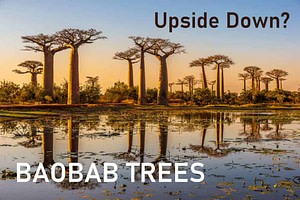
- Baobab: Africa’s Upside Down Tree
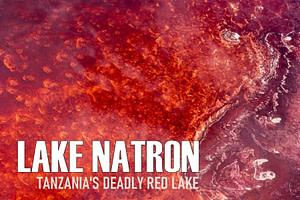
- Lake Natron – the Deadly Lake That Turns Animals into Stone
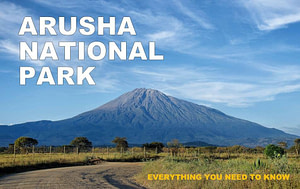
- Arusha National Park: Everything You Need to Know

- Lake Manyara National Park: Everything You Need to Know
- Tarangire National Park: Everything You Need to Know
- The Top 10 Safari Destinations in Africa
- Why Animals Don’t Attack Safari Vehicles